Friday, 28 July 2023

What are the safety measures to prevent sports injuries for your kids?

When it comes to preventing sports injuries in children, several safety measures can be implemented. Here are some key recommendations:
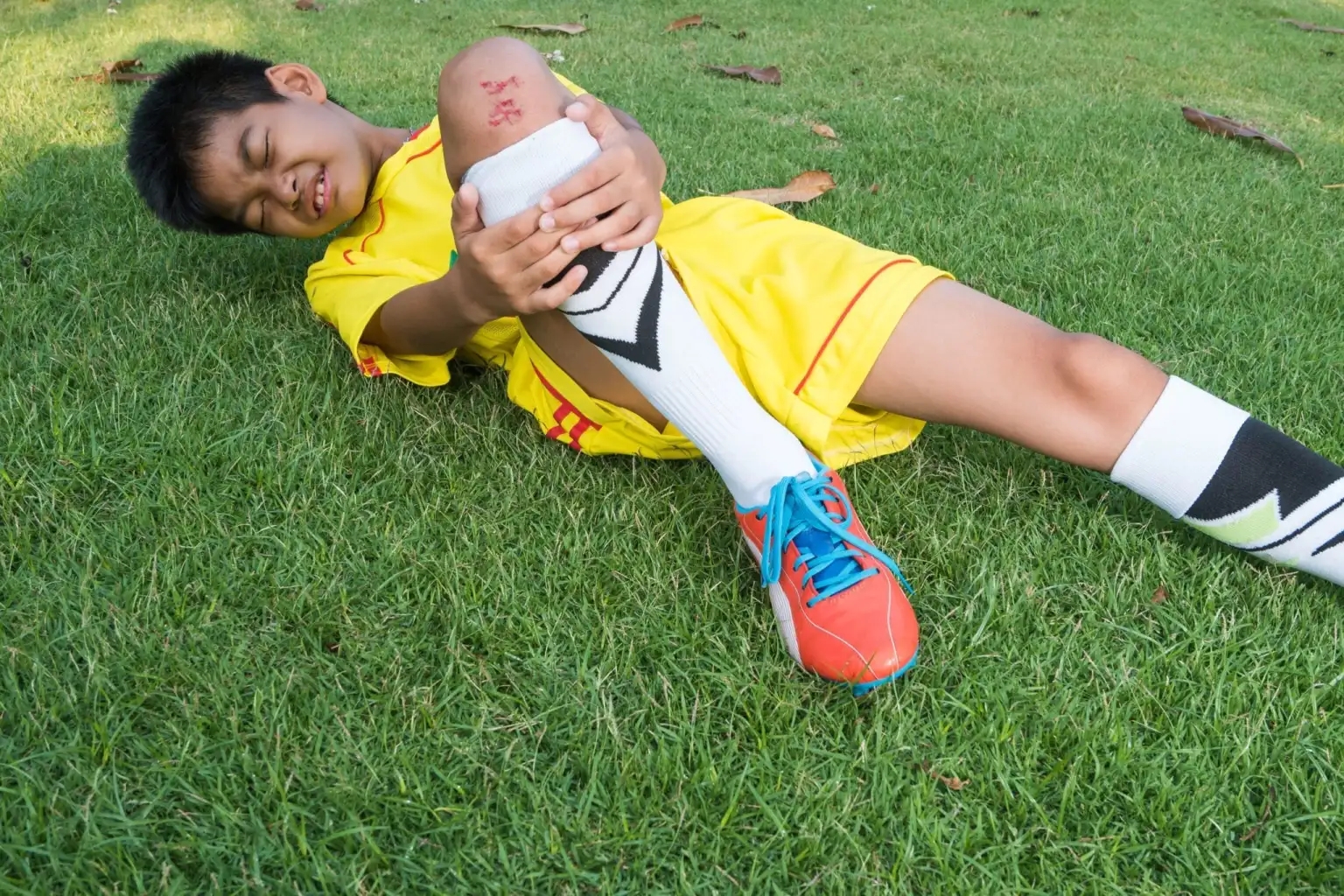
Kids-sports-injuries

  1. Proper warm-up and stretching: Encourage your kids to warm up their bodies before any physical activity. This can include light aerobic exercises and dynamic stretches to increase blood flow and flexibility, reducing the risk of muscle strains or sprains.
  2. Use appropriate equipment: Ensure that your children are equipped with the proper gear for their chosen sport. This may include helmets, mouthguards, shin guards, padding, and supportive footwear. Make sure the equipment fits properly and is in good condition.
  3. Supervision and coaching: Ensure that your children participate in sports under the supervision of trained coaches or instructors who prioritize safety. Qualified coaches can teach proper techniques, enforce rules, and provide guidance on injury prevention.
  4. Conditioning and fitness: Encourage your children to maintain overall fitness and conditioning levels appropriate for their sport. Regular exercise and conditioning activities can help improve strength, flexibility, and coordination, reducing the risk of injuries.
  5. Age-appropriate activities: Ensure that the sports and activities your children engage in are appropriate for their age and skill level. Pushing children to participate in activities beyond their capabilities can increase the risk of injuries.
  6. Rest and recovery: Encourage your children to take regular breaks during practice sessions and games. Rest and recovery are crucial to prevent overuse injuries. It’s important to balance physical activity with proper rest periods.
  7. Hydration and nutrition: Teach your children the importance of staying hydrated before, during, and after physical activity. Provide them with healthy snacks and meals to fuel their bodies and aid in muscle recovery.
  8. Encourage open communication: Teach your children to communicate openly with coaches and teammates about any pain, discomfort, or concerns they may have. It’s crucial to address potential issues early on to prevent further injuries.
  9. Avoid specialization and overtraining: Encourage your children to participate in a variety of sports and activities rather than specializing in one sport too early. Overtraining and repetitive movements can increase the risk of overuse injuries and burnout.
  10. Educate about safety guidelines: Teach your children the importance of following the rules and safety guidelines of their chosen sport. Emphasize good sportsmanship, fair play, and respect for teammates and opponents.

Remember, while these safety measures can help reduce the risk of injuries, accidents can still occur. If your child sustains an injury, seek appropriate Paediatric Orthopaedic Doctor attention and follow the recommended treatment and rehabilitation process.

Friday, 30 June 2023

Identifying and Treating Pediatric Trigger Thumb Accurately

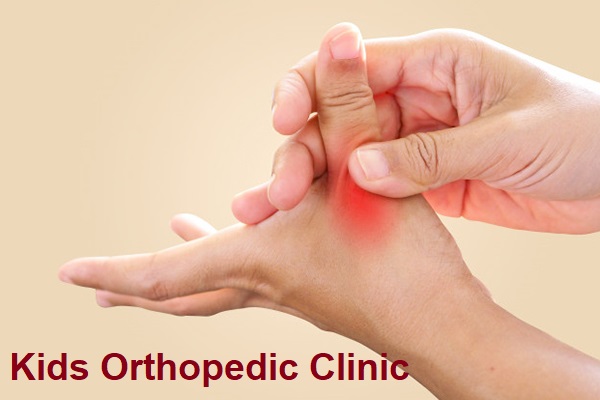
A trigger finger is one of the painful health conditions that make your child’s thumb locked in a bent or flexed position. The child cannot pull the bent thumb straight without using her other hand. Often children experience trigger fingers or trigger thumb between the ages of 1 year to three years. A child can experience trigger thumb despite having no medical problem or sustaining any injury.

Trigger-Thumb

According to Children’s National, “Trigger thumb is caused by a mismatch between the size of the flexor tendon to the thumb and the tendon sheath (the fibrous band over the tendon) causing difficulties with the gliding motion of the thumb. When the sheath is too tight, the enlarged tendon can lock in one position. This can cause clicking, popping with motion, or a fixed flexed position of the thumb.

Often adults experience trigger fingers due to injury, trauma, or overuse. But children do not experience this health problem due to any of these reasons. Often orthopedic surgeons find it challenging to identify the causes of pediatric trigger thumb accurately. But they diagnose and treat this health condition in a variety of ways. That is why; you must understand important aspects of pediatric trigger thumb before visiting an experienced orthopedic surgeon.

What Should You Know to Treat Pediatric Trigger Thumb Successfully?

Common Symptoms/Signs

When a trigger thumb occurs, your child cannot straighten a finger stuck in a bent position without using his other hand. But you must remember the common signs or symptoms of pediatric trigger thumb are clicking, catching, and popping sensations the child experienced when he moves the affected thumb. Also, you can identify this health condition by looking for the presence of a bump or nodule at the base of the affected thumb.

Diagnosis

The orthopedic surgeons diagnose pediatric trigger thumb by conducting a physical examination and assessing your child’s medical history. While diagnosing this health condition, experienced orthopedic surgeons always look for dislocated joints or fractured bones. Likewise, they recommend imaging tests to ensure that the functionality of the finger is not being affected by any other health problems.

Treatment Options

Experienced pediatric orthopedics always start treating trigger thumbs through non-surgical procedures. They advise parents to normalize the affected thumb by combining stretching, splinting, and massaging. You need to learn these techniques from the orthopedic surgeon and perform these non-surgical procedures regularly at home. The non-surgical procedure treats trigger thumbs in most cases over a few months.

However, the orthopedic surgeon will treat trigger thumb surgically only when the non-surgical techniques do not work. He will perform a surgical procedure called trigger thumb release to remove additional pressure from the tendon by removing the A1 pulley. The trigger thumb will remain bandaged for several weeks after the surgery. Your child will start using the thumb naturally and normally after two to three weeks after the trigger thumb release surgery.

The symptoms and causes of pediatric trigger thumb vary from one child to another. But you must consult an experienced orthopedic surgeon without any delay to get the health condition diagnosed accurately and treat the health condition successfully.

Wednesday, 21 June 2023

What is a differential diagnosis of trigger finger?


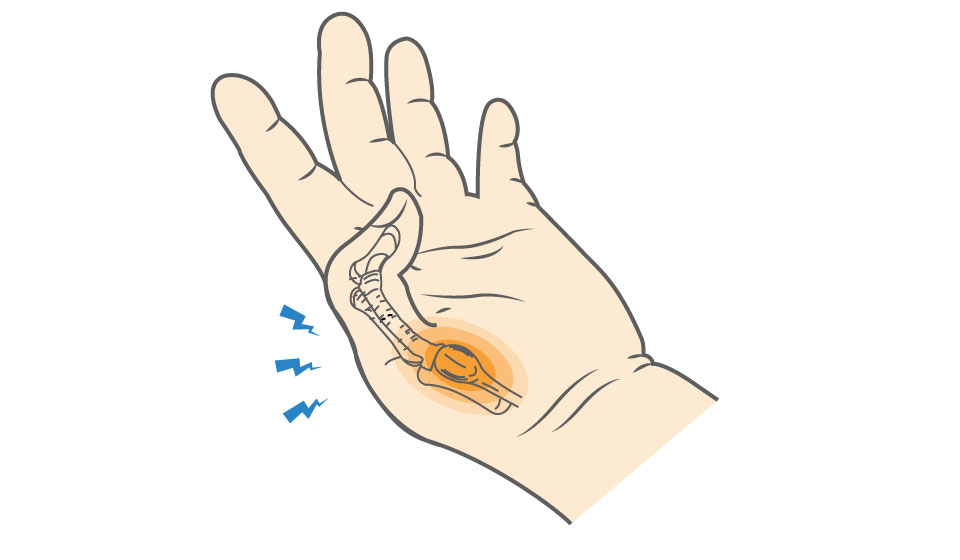
Trigger thumb, also known as stenosing tenosynovitis, is a condition that affects the tendons in the thumb. It is characterized by the thumb getting stuck in a bent position and then suddenly popping or snapping straight. The name “trigger thumb” comes from the way the thumb moves, similar to pulling the trigger of a gun.

trigger-thumb

The primary cause of trigger thumb is the thickening or inflammation of the tendon sheath, which is the protective covering of the tendon. This thickening narrows the space through which the tendon moves, making it difficult for the thumb to straighten. The exact cause of trigger thumb is often unknown, but it can be associated with repetitive hand movements, gripping activities, or certain medical conditions like rheumatoid arthritis.

Symptoms of trigger thumb typically include:

The thumb becoming locked in a bent position.

A popping or snapping sensation when the thumb is straightened.

Pain or discomfort at the base of the thumb.

Tenderness or a lump at the base of the thumb.

Treatment options for trigger thumb may vary depending on the severity of the condition. Initially, conservative treatments are usually recommended, which may include:

Resting the thumb and avoiding activities that worsen the symptoms.

Applying ice to the affected area to reduce inflammation.

Taking over-the-counter nonsteroidal anti-inflammatory drugs (NSAIDs) to relieve pain and inflammation.

Wearing a splint or brace to immobilize the thumb and allow it to rest.

Doing stretching and strengthening exercises under the guidance of a healthcare professional.

If conservative treatments do not provide relief, medical interventions may be considered. These can include:

Corticosteroid injections: Injecting a corticosteroid medication into the tendon sheath can help reduce inflammation and relieve symptoms.

Percutaneous release: A minimally invasive procedure where a needle is used to cut the thickened tendon sheath, allowing the tendon to move more freely.

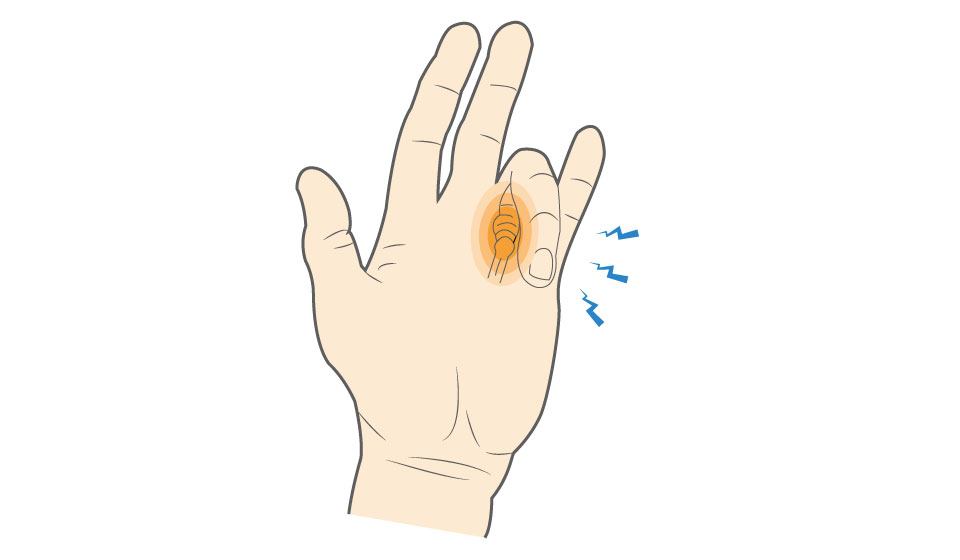
2.Triger-finger

Open surgery: In severe cases or when other treatments fail, a surgeon may perform a surgical procedure to release the tendon sheath and provide long-term relief.

It is important to consult with a healthcare professional, such as a doctor or an orthopedic specialist, for an accurate diagnosis and appropriate treatment options for trigger thumb. They can evaluate your specific condition and provide personalized recommendations.

Tuesday, 30 May 2023

Physical Therapies for Cerebral Palsy Treatment

Cerebral Palsy (CP) is a neurological disorder that affects movement, coordination, and muscle tone. It is caused by damage to the brain before, during, or after birth. Physical therapy is an essential part of the treatment for CP, and it can help improve mobility, balance, and strength. In this article, we will discuss the different physical therapies for cerebral palsy.

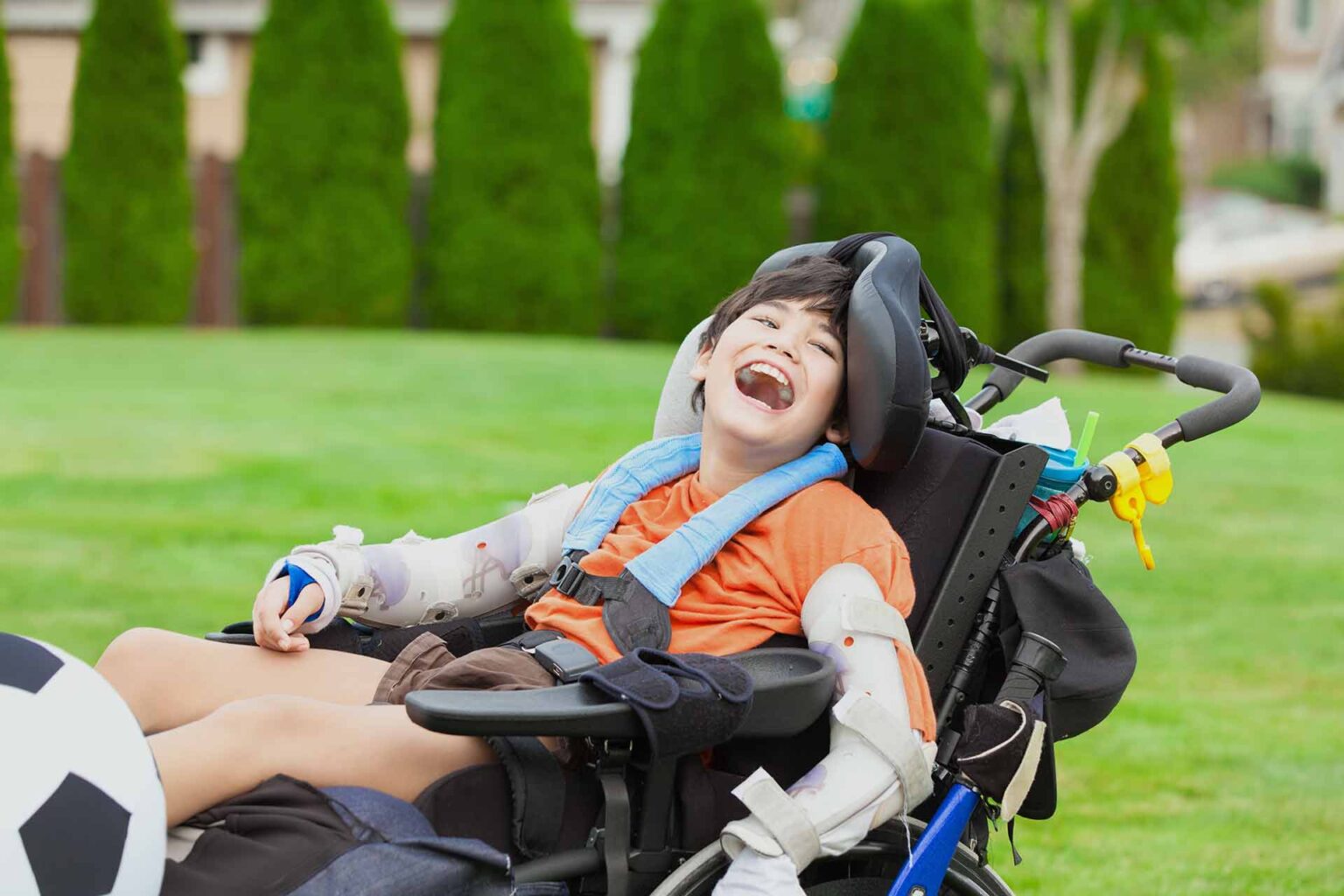
Cerebral-Palsy-Treatment


  1. Passive Range of Motion (PROM) Exercises: Passive Range of Motion exercises are designed to improve joint mobility and flexibility. These exercises are performed with the help of a physical therapist or caregiver, who moves the patient’s limbs through a range of motion. PROM exercises are often used in the early stages of CP, when the patient has limited mobility and muscle tone. These exercises help prevent muscle contractures, which are a common complication of CP.
  2.  Active Range of Motion (AROM) Exercises: Active Range of Motion exercises are designed to improve muscle strength and coordination. These exercises are performed by the patient, who moves their limbs through a range of motion. AROM exercises can help improve muscle tone and prevent muscle weakness. These exercises are often used in the later stages of CP, when the patient has improved mobility and muscle tone.
  3. Strengthening Exercises: Strengthening exercises are designed to improve muscle strength and endurance. These exercises involve resistance training, using weights or resistance bands. Strengthening exercises can help improve posture, balance, and coordination. They can also prevent muscle weakness and atrophy.
  4. Stretching Exercises: Stretching exercises are designed to improve flexibility and range of motion. These exercises involve holding a stretch for a set period, typically 30 seconds. Stretching exercises can help prevent muscle contractures and improve posture. They can also improve joint mobility and reduce the risk of joint pain.
  5. Aquatic Therapy: Aquatic therapy is a form of physical therapy that is performed in water. This therapy is designed to reduce the impact of gravity on the body, which can help improve mobility and reduce muscle spasms. Aquatic therapy can help improve muscle strength and endurance, as well as reduce pain and inflammation.
  6. Constraint-Induced Movement Therapy (CIMT): Constraint-Induced Movement Therapy is a type of physical therapy that is designed to improve mobility and function in the affected limbs. This therapy involves restraining the unaffected limb, forcing the patient to use the affected limb. CIMT can help improve motor control and coordination, as well as reduce muscle spasms.

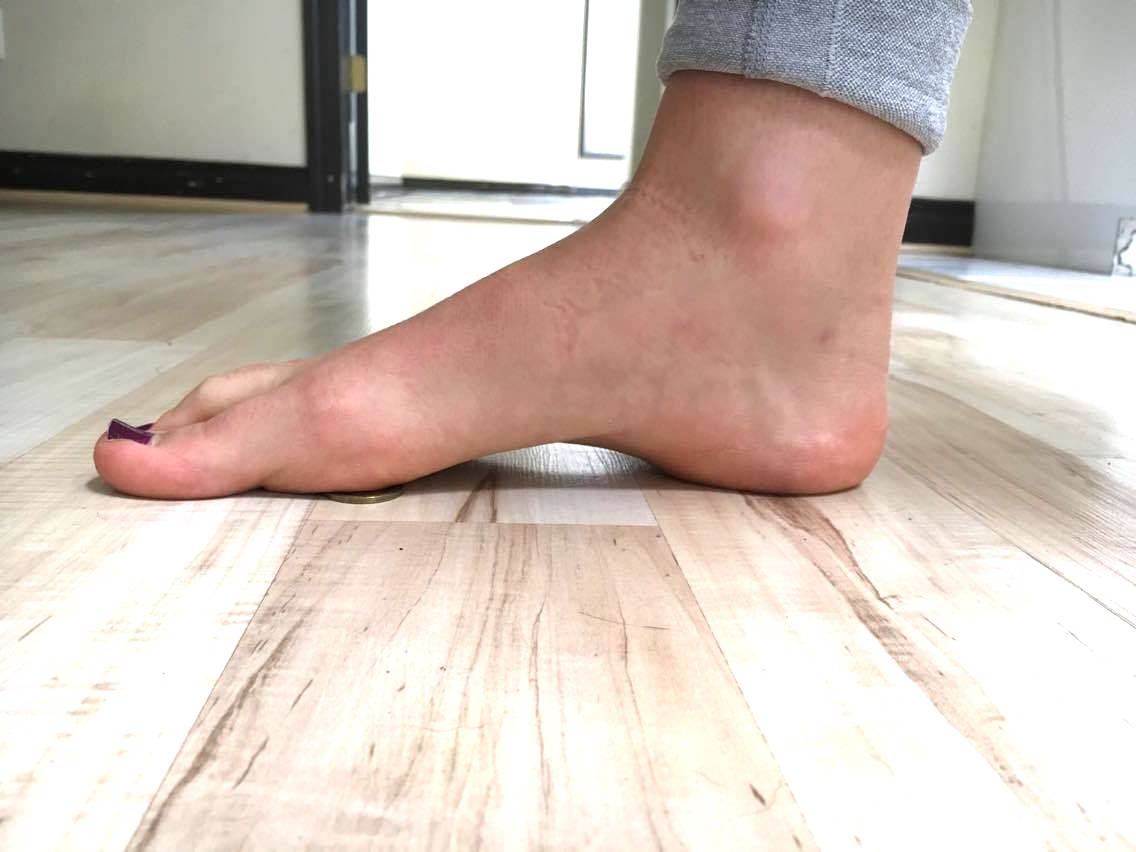
    How to Fix Flat Feet with Exercise
  7. Neurodevelopmental Therapy (NDT): Neurodevelopmental Therapy is a type of physical therapy that is designed to improve motor function and coordination. NDT focuses on improving movement patterns and postures, as well as promoting muscle control and coordination. NDT can help improve overall mobility and function, as well as reduce muscle spasticity.
  8. Functional Electrical Stimulation (FES):Functional Electrical Stimulation is a type of physical therapy that uses electrical stimulation to stimulate muscles and nerves. FES can help improve muscle strength and coordination, as well as reduce muscle spasms. FES can also help improve functional abilities, such as walking and standing.
  9. Orthotics: Orthotics are devices that are designed to improve posture and reduce muscle spasms. Orthotics can include braces, splints, and casts. Orthotics can help improve mobility and function, as well as reduce the risk of contractures and deformities.
  10. Botox Injections: Botox injections are a type of medical treatment that can help reduce muscle spasms and stiffness. Botox injections work by blocking the neurotransmitters that signal the muscles to contract. Botox injections can help improve overall mobility and function, as well as reduce the risk of contractures and deformities.

Wednesday, 10 May 2023

Speech Therapy for Cerebral Palsy Treatment in Kids

Cerebral palsy is a neurological disorder that can affect various aspects of a child’s development, including speech and language skills. Children with cerebral palsy may have difficulty with communication due to challenges with muscle control, coordination, and oral motor function. This can make it challenging for them to express themselves effectively, understand others, and participate in social interactions.

cerebral-palsy-1536x1024


Speech therapy is an essential intervention for children with cerebral palsy who experience communication difficulties. Speech therapists work with children and their families to assess their speech and language skills, identify specific challenges, and develop personalized treatment plans to improve their communication abilities.

The goal of speech therapy for cerebral palsy is to improve the child’s overall ability to communicate and participate in daily activities. This may involve a range of interventions and techniques, including:

  1. Oral motor exercises: Children with cerebral palsy may have difficulty with oral motor function, which can impact their ability to speak clearly. Speech therapists may use exercises to strengthen the muscles in the mouth, lips, and tongue, which can help improve speech clarity.

  2. Augmentative and alternative communication (AAC): For children who struggle with speech or are nonverbal, speech therapists may introduce AAC devices or systems to support communication. These devices can range from low-tech tools like picture boards to high-tech devices like speech-generating tablets.

  3. Language development: Speech therapists may work with children to improve their understanding and use of language. This can include activities to develop vocabulary, sentence structure, and conversational skills.

  4. Articulation therapy: Children with cerebral palsy may have difficulty with articulation, making it hard for them to form words and sounds correctly. Speech therapists may use articulation therapy to help children improve their ability to produce sounds and speak more clearly.

  5. Social communication skills: Children with cerebral palsy may struggle with social interactions due to difficulties with communication. Speech therapists may work with them to improve their ability to understand and respond appropriately to social cues, engage in conversation, and make friends.

Speech therapy for cerebral palsy is typically conducted in individual or small group sessions, and progress is closely monitored to ensure that the child is making meaningful gains in their communication skills. It is also essential for parents and caregivers to be involved in the therapy process, as they can provide valuable support and reinforcement of the techniques and strategies used in therapy.

Overall, speech therapy is a critical component of the care plan for children with cerebral palsy who experience communication challenges. By working with a skilled speech therapist, children with cerebral palsy can improve their ability to communicate effectively, express themselves, and engage in social interactions, enhancing their overall quality of life.

Wednesday, 3 May 2023

Occupational Therapies for Cerebral Palsy Treatment in Kids

Cerebral palsy is a neurological disorder that affects movement, coordination, and posture. It is caused by damage to the developing brain, typically before or during birth, and can lead to a range of physical and developmental challenges. Children with cerebral palsy may experience difficulties with everyday activities such as walking, dressing, and eating, and may also struggle with cognitive and communication skills.

Occupational therapy is an essential component of the multidisciplinary approach to managing cerebral palsy symptoms in children. This therapy focuses on improving a child’s ability to participate in everyday activities and to promote their independence and overall quality of life. The goal of occupational therapy for cerebral palsy is to help children develop the skills and abilities they need to reach their full potential.


The occupational therapist works closely with the child and their family to identify specific goals for therapy, based on the child’s individual needs and challenges. This may involve addressing issues with motor skills, such as improving fine motor coordination or increasing muscle strength and flexibility. It may also involve developing strategies for managing cognitive and communication challenges, such as developing effective communication methods or improving attention and focus.

Occupational therapy for cerebral palsy may involve a range of interventions and techniques, including:

  1. Sensory integration therapy: This therapy is designed to help children with cerebral palsy who have sensory processing issues. Sensory integration therapy involves activities that stimulate the senses and help children better process sensory input. This can include activities such as swinging, bouncing on a therapy ball, or playing with sensory toys.

  2. Adaptive equipment: In some cases, children with cerebral palsy may require adaptive equipment to help them perform everyday activities. This can include items such as special chairs, utensils, or clothing that are designed to support the child’s physical needs.

  3. Handwriting and fine motor skills: Occupational therapists may work with children to improve their handwriting skills and fine motor coordination, which can be challenging for children with cerebral palsy. This may involve activities such as drawing, coloring, or using small manipulatives to build hand strength and dexterity.

  4. Cognitive and communication skills: Occupational therapists may also work with children to improve their cognitive and communication skills. This can involve activities such as memory games, word puzzles, or communication exercises that help children improve their ability to express themselves and understand others.

  5. Home modifications: Occupational therapists may also work with families to modify the home environment to better support the child’s needs. This can involve making changes such as installing grab bars, ramps, or other adaptive features to help the child move around the house safely and independently.

Occupational therapy for cerebral palsy is a critical component of the overall care plan for children with this condition. By working with children and their families to identify specific goals and develop personalized interventions, occupational therapists can help children with cerebral palsy improve their physical, cognitive, and communication skills, and achieve greater independence and quality of life.

Friday, 31 March 2023

Cerebral Palsy in Kids, Treatment & Care Options in India


Cerebral palsy is a group of neurological disorders that affect movement and posture. It is the most common motor disability in childhood and affects about 3 in every 1,000 children in India. While there is no cure for cerebral palsy, there are treatments and care options available that can help manage symptoms and improve quality of life. In this article, we will discuss pediatric cerebral palsy treatment and care.


Diagnosis and Early Intervention:

Early diagnosis and intervention are critical in managing cerebral palsy. If you suspect that your child may have cerebral palsy, it is important to speak with a healthcare professional as soon as possible. A pediatrician, neurologist, or developmental pediatrician can perform a physical examination and order tests such as magnetic resonance imaging (MRI) or a computed tomography (CT) scan to diagnose cerebral palsy.

Once a diagnosis is made, early intervention services can be provided. These may include physical therapy, occupational therapy, speech therapy, and assistive technology services. These services can help children with cerebral palsy develop new skills, improve muscle strength and mobility, and manage symptoms.


Medications:

In some cases, medications may be prescribed to help manage symptoms of cerebral palsy. For example, muscle relaxants can help reduce muscle spasms and improve range of motion. Anticonvulsant medications may be prescribed to control seizures, which can sometimes occur in children with cerebral palsy. Botulinum toxin injections may also be used to reduce muscle stiffness and spasticity.


Surgery:

In some cases, surgery may be recommended to improve mobility and reduce pain in children with cerebral palsy. Surgery may be used to lengthen or shorten muscles, improve joint alignment, or correct scoliosis. It is important to discuss the potential risks and benefits of surgery with a healthcare professional and to carefully consider all options before making a decision.


Care and Support:

In addition to medical treatments, care and support are important for children with cerebral palsy. This may include physical therapy, occupational therapy, and speech therapy, as well as psychological support and counseling for both the child and their family. Assistive devices such as wheelchairs, braces, and communication devices can also help improve quality of life.

It is important for families to work closely with healthcare professionals to develop a care plan that meets the individual needs of the child with cerebral palsy. This may involve coordinating care between multiple specialists, such as neurologists, physical therapists, and orthopedic surgeons.


Conclusion:

Pediatric cerebral palsy treatment and care require a multidisciplinary approach that involves a range of healthcare professionals and support services. While there is no cure for cerebral palsy, early diagnosis and intervention, medications, surgery, and care and support can help manage symptoms and improve quality of life. It is important for families to work closely with healthcare professionals and to be aware of all available options in order to provide the best possible care for their child with cerebral palsy.