Showing posts with label club foot treatment. Show all posts

Thursday, 30 November 2023

What is the most common surgery for an orthopedic surgeon?

Pediatric orthopedics is a specialized branch of orthopedic medicine that focuses on the diagnosis and treatment of musculoskeletal conditions in children, from infancy through adolescence. Pediatric orthopedic surgeons are medical doctors who have completed additional training in orthopedic surgery with a specific focus on children.

Children’s bones, muscles, and joints are still growing and developing, which can lead to unique orthopedic conditions and challenges. Pediatric orthopedic surgeons are experts in managing these conditions and providing appropriate treatment options for children.

Blog | Kids Orthopedic Clinic

Some common conditions that pediatric orthopedic surgeons treat include:

  1. Congenital anomalies: These are conditions that children are born with, such as clubfoot, hip dysplasia, limb length discrepancies, and scoliosis.
  2. Fractures and trauma: Children are prone to fractures due to their active lifestyles. Pediatric orthopedic surgeons are skilled in treating fractures and ensuring proper healing.
  3. Sports injuries: Children and adolescents who participate in sports are susceptible to sports-related injuries, including sprains, strains, fractures, and ligament tears. Pediatric orthopedic surgeons can diagnose and treat these injuries, often with a focus on preserving future joint function.
  4. Musculoskeletal infections: Children may develop infections in their bones or joints, such as osteomyelitis or septic arthritis. Pediatric orthopedic surgeons work closely with infectious disease specialists to provide appropriate treatment.
  5. Neuromuscular conditions: Certain neurological conditions, such as cerebral palsy or spina bifida, can affect a child’s musculoskeletal system. Pediatric orthopedic surgeons collaborate with other specialists to develop comprehensive treatment plans for these patients.
  6. Growth-related conditions: Children may experience conditions related to abnormal growth, such as limb length discrepancies or angular deformities. Pediatric orthopedic surgeons can assess and manage these conditions through various treatment options, including surgery, bracing, or physical therapy.
shutterstock_262417277-e1523306430412

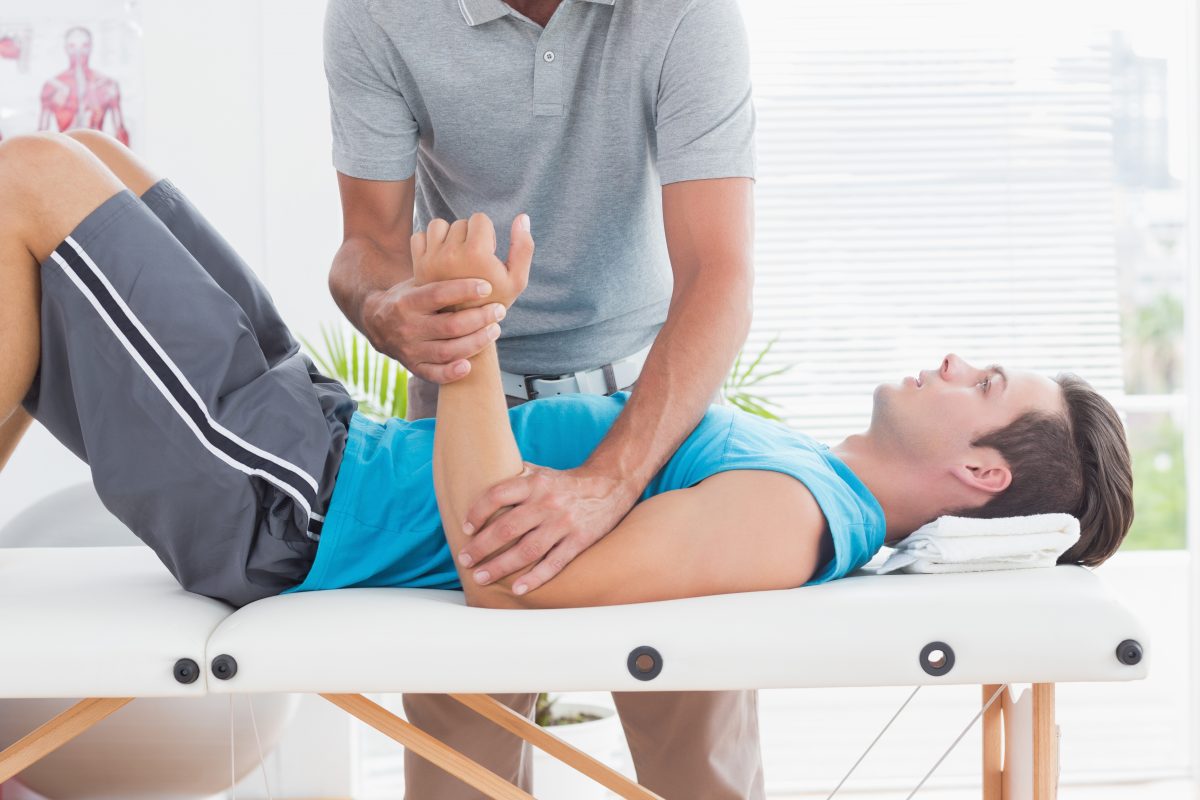
Pediatric orthopedic surgeons often work in collaboration with other healthcare professionals, including pediatricians, physical therapists, occupational therapists, and rehabilitation specialists, to provide comprehensive care for children with orthopedic conditions.

Tuesday, 31 October 2023

What are overuse injuries in the pediatric population?

Overuse injuries in pediatrics refer to a category of injuries that occur when a child or adolescent repeatedly engages in a specific physical activity or sport, placing excessive stress on a particular part of their body. These injuries are common among young athletes who train intensively or participate in a single sport year-round. Overuse injuries can lead to pain, impaired performance, and potentially long-term musculoskeletal issues. Here are some key points to understand about overuse injuries in pediatrics:

  1. Types of Overuse Injuries:Overuse injuries can affect various parts of the body, including:
  • Growth Plate Injuries: The growth plates, areas of developing tissue near the ends of bones, are vulnerable to overuse injuries.
  • Stress Fractures: These are small cracks or fractures in bones due to repetitive impact.
  • Tendonitis: Inflammation of tendons caused by repetitive movements.
  • Muscle Strains: Overuse can lead to strains or tears in muscles.
  • Apophysitis: Inflammation of the bony attachment points of muscles, commonly seen in areas like the heel (Sever’s disease) or knee (Osgood-Schlatter disease).
  1. Risk Factors:Several factors increase the risk of overuse injuries in pediatric athletes, including:
  • Specialization: Young athletes who specialize in a single sport and train intensively year-round are more susceptible to overuse injuries.
  • Growth and Development: Rapid growth during puberty can change the biomechanics of a child’s body, making them more prone to injury.
  • Inadequate Rest: Lack of adequate rest and recovery between activities or seasons can contribute to overuse injuries.
  1. Symptoms:The symptoms of overuse injuries may include pain, swelling, tenderness, reduced range of motion, and a decline in athletic performance. Children may also experience pain that worsens with activity and improves with rest.
  2. Prevention and Management:Preventing overuse injuries in pediatrics involves a combination of strategies:
  • Monitoring Load: Coaches, parents, and athletes should be vigilant about monitoring training loads to ensure they are appropriate for the child’s age and development.
  • Periodization: Training should incorporate periods of rest, cross-training, and reduced intensity to allow the body to recover.
  • Proper Technique: Teaching young athletes correct techniques and movement patterns can help reduce the risk of overuse injuries.
  • Adequate Rest: Children should have scheduled rest days and avoid year-round intensive training in a single sport.
  • Early Intervention: If an overuse injury occurs, early intervention, including rest, physical therapy, and sometimes bracing, is essential to prevent long-term consequences.
  1. Importance of Multisport Participation:Encouraging children to participate in multiple sports or activities can reduce the risk of overuse injuries by promoting a more balanced use of their bodies and reducing the strain on specific muscle groups and joints.

In conclusion, overuse injuries in pediatrics are a significant concern, especially among young athletes. Preventing these injuries involves a combination of strategies, with a focus on proper training, rest, and early intervention to protect the growing bodies of children and adolescents.


Tuesday, 3 October 2023

Identifying and Treating Neglected Fracture in Kids


According to the Canadian Paediatric Society, “Fractures are common injuries in childhood. While most fractures are caused by accidental trauma, inflicted trauma (maltreatment) is a serious and potentially unrecognized cause of fractures, particularly in infants and young children.”

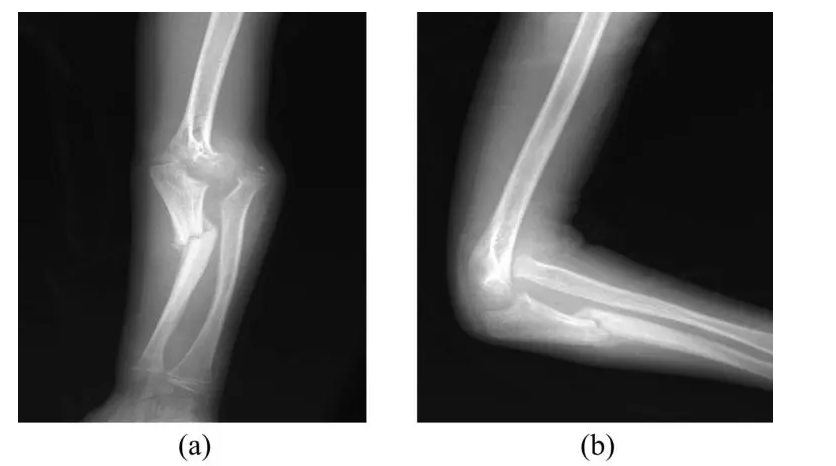
Fractures in children occur when excessive force is applied to the bone. As the bone cannot absorb excessive force, broken bones or fractures occur. Excessive force can cause multiple fractures or specific fractures like wrist fracture, elbow fracture, or femur fracture.

Also, fractures in kids occur due to a variety of reasons – trauma, falls, direct hit, injuries, and lack of calcium. You cannot control or change the causes and number of fractures in your child. But you must treat the neglected factors early and properly to keep your child fit by eliminating the chances of functional disability and permanent deformity.

Screenshot_9

What Should You Know to Treat a Neglected Fracture in Your Child Successfully?

Symptoms

A neglected fracture might occur in your child due to a variety of reasons. Also, the symptoms of neglected broken bones vary from one child to another. You can identify neglected fractures based on common systems like pain, swelling, bruising, redness, and warmth. Also, the affected area sometimes appears deformed due to the broken bone. It is always important to consult a pediatric orthopedic surgeon once your child finds it difficult to use or move the injured bone normally and naturally.

Diagnosis

Experienced pediatric orthopedic surgeons diagnose neglected fractures in a variety of ways. They always start diagnosing by inspecting the affected area closely and physically. The physical inspection, along with the child’s medical history, helps experienced orthopedic surgeons to identify the condition and causes of the fracture. However, it is also common for orthopedic surgeons to identify the cause of broken bones by recommending X-rays, CT scans, MRI scans, and similar imaging examinations.

Treatment Options

The orthopedic surgeons diagnose neglected fractures in a variety of ways according to the severity and symptoms of the broken bone. Also, they prepare a personalized treatment plan for the neglected fracture based on your child’s age, medical history, and severity of the fracture. Also, they keep in mind your child’s capacity to tolerate specific medication or treatment options.

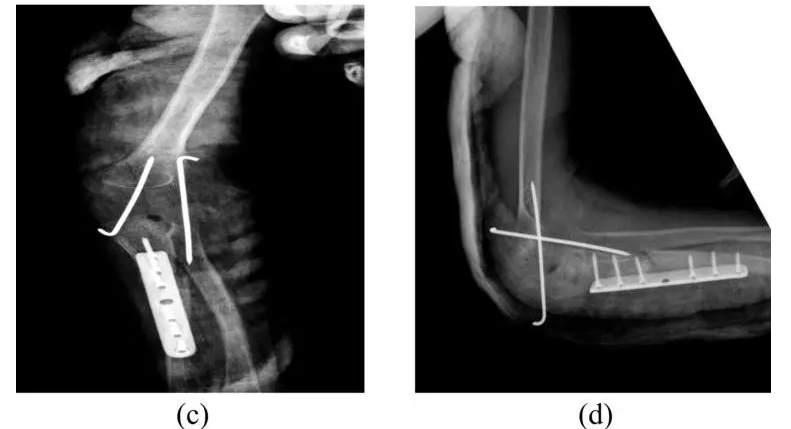
Screenshot_10

Experienced pediatric orthopedic surgeons always start treating neglected fractures through non-surgical procedures like medication, cast/splint, and traction. But they treat neglected fractures surgically when the non-medical procedures do not work. They perform surgeries to reposition the broken bones or implant fixation devices.

Recovery

The non-medical procedures treat neglected fractures gradually over a period of time. Your child will become fit and active after taking medication or wearing the cast/splint regularly for a specific duration. However, you must get the affected area inspected by the orthopedic surgeon regularly according to the treatment plan. On the other hand, your child needs to rest the affected bone completely and follow operation-care recommended by the surgeon when the neglected fracture is treated surgically.

You can easily get a neglected fracture in your child diagnosed accurately and treated effectively by consulting an experienced pediatric orthopedic surgeon. The orthopedic surgeons will help you to eliminate the risk of functional disability and permanent deformity by treating neglected fractures accurately and successfully.

Thursday, 14 September 2023

Recognizing Signs of Cerebral Palsy in a Child

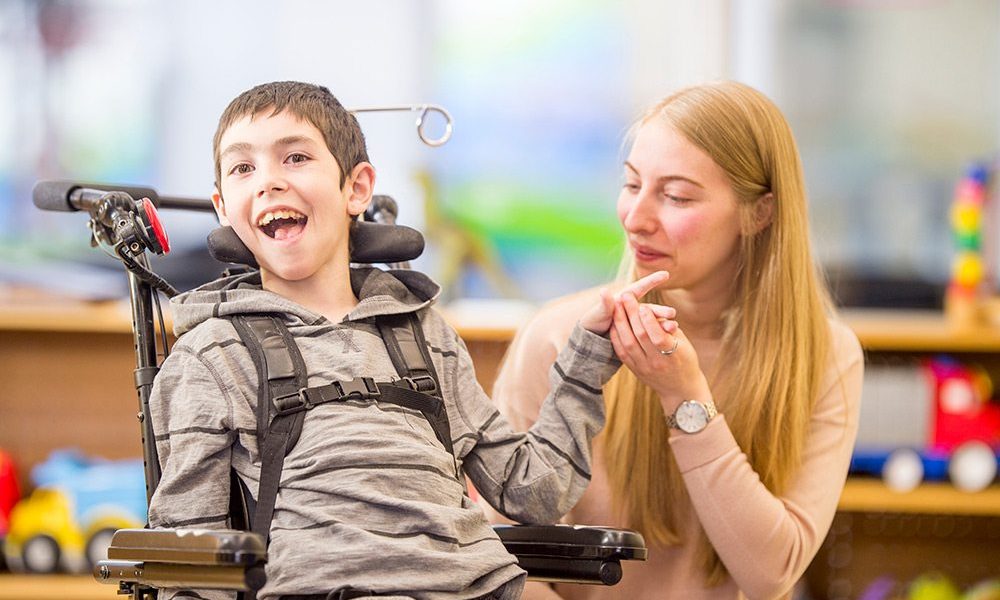
As a permanent and complex disorder, cerebral palsy is caused due to damage caused to the brain of a child. The brain damage can occur due to a number of reasons. Also, the damage may be caused to the child’s brain before, during or after his birth. At present, there is no permanent cure for cerebral palsy. The seasoned orthopedics tries to reduce the symptoms and effects of the permanent disorder through medication, orthotic devices, speech therapy, physical therapy or occupational therapy.

Cerebral-Palsy-1000x600

Simple Ways to Care for a Child with Cerebral Palsy

It is always important for parents to get their kids diagnosed and treated for cerebral palsy immediately. Also, they must understand various aspects of cerebral palsy management to make the child feel comfortable. But cerebral palsy is often diagnosed only after 18 months of the child’s birth.  There are many instances when parents failed to diagnose symptoms of mild cerebral palsy when the kid is 3 to 5 years old. That is why; it become essential for parents to know how to recognize the signs of cerebral palsy in a kid.

To identify the developmental disabilities, the parent must understand know four distinct categories of developmental progress of a child. Broadly, the developmental progress of a child of a child can be divided into four categories – physical, social, cognitive and emotional. Also, the parent must know the normal stages of development to identify the developmental issues immediately. However, the parents must get the child diagnosed for cerebral palsy when they notice lack of physical development.

The parents must get the child diagnosed for cerebral palsy when the child does not meet common developmental milestones like crawling, sitting, walking, rolling over, visual alertness, and picking of small objects. The orthopedic will observe the development of the child over a specific period of time and screen the child regularly to identify improvement disabilities. He will further observe and assess the development of the child based on his posture, muscle tones and reflexes. However, the severity and symptoms of cerebral palsy differ from one child to another.

The child with cerebral palsy further experiences symptoms of the disorder according to the location of movement problems. The symptoms further get aggravated if the child is not provided with adequate care and effective treatment on time. Hence, it is important for parents to get the child diagnosed for cerebral palsy immediately and promptly. At the same time, they also need to ensure that the child is diagnosed and treated by a skilled and experienced orthopedic to manage and reduce symptoms of the complex disorder over a longer period of time.

Know more about stay social with us on: Facebook .

Friday, 25 August 2023

What causes joint infection in newborn?

Infections in newborn babies are a serious concern and can potentially affect any part of the body, including joints. Joint infections in newborns are generally referred to as septic arthritis or infectious arthritis. This condition occurs when bacteria or other infectious agents enter a joint and cause inflammation.

Screenshot_4

Common causes of joint infections in newborns include bacteria such as Staphylococcus and Streptococcus. These infections can occur due to various reasons:

  1. Bacterial Spread: Bacteria can enter the baby’s body through various routes, such as during delivery if the mother has a bacterial infection, or through the baby’s skin if hygiene isn’t maintained.
  2. Hospital Environments: Newborns in hospitals are particularly vulnerable to infections due to their weak immune systems and exposure to various potential sources of infection.
  3. Compromised Immune System: Premature babies or babies with other medical conditions that weaken their immune systems are at a higher risk.
  4. Invasive Procedures: Invasive procedures or interventions, such as the insertion of catheters or IV lines, can introduce bacteria into the baby’s body.

The signs and symptoms of joint infections in newborns can include:

  • Swelling and Redness: The infected joint may appear swollen, red, and warm to the touch.
  • Pain and Discomfort: The baby might show signs of discomfort, irritability, and difficulty moving the affected limb.
  • Fever: A fever is a common sign of infection in babies. It might be accompanied by other signs of illness.
  • Limited Movement: The baby might avoid moving the affected joint due to pain.
  • Lethargy: The baby may be unusually tired or inactive.

If you suspect that a newborn might have a joint infection, it’s crucial to seek immediate medical attention. A healthcare provider will likely perform various tests, such as blood tests and imaging (like ultrasound or MRI), to confirm the diagnosis and determine the appropriate treatment. Treatment usually involves antibiotics to target the specific bacteria causing the infection. In severe cases, drainage of the infected joint might be necessary.

Prevention is essential to avoid such infections. Maintaining proper hygiene during childbirth, regular handwashing before handling the baby, and following hospital protocols for infection control can help minimize the risk of infections in newborns.

Keep in mind that medical practices and recommendations may have evolved since my last update in September 2021. Always consult a qualified healthcare professional or pediatrician for the most current and accurate information regarding newborn health and infections.

See More Visit at: https://www.kidsorthopedic.com/contact/

Know more about our affordable and quality products stay social with us on: Facebook .

Friday, 30 June 2023

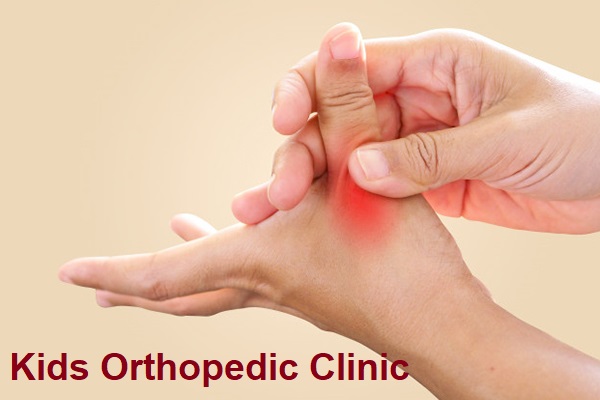
Identifying and Treating Pediatric Trigger Thumb Accurately

A trigger finger is one of the painful health conditions that make your child’s thumb locked in a bent or flexed position. The child cannot pull the bent thumb straight without using her other hand. Often children experience trigger fingers or trigger thumb between the ages of 1 year to three years. A child can experience trigger thumb despite having no medical problem or sustaining any injury.

Trigger-Thumb

According to Children’s National, “Trigger thumb is caused by a mismatch between the size of the flexor tendon to the thumb and the tendon sheath (the fibrous band over the tendon) causing difficulties with the gliding motion of the thumb. When the sheath is too tight, the enlarged tendon can lock in one position. This can cause clicking, popping with motion, or a fixed flexed position of the thumb.”

Often adults experience trigger fingers due to injury, trauma, or overuse. But children do not experience this health problem due to any of these reasons. Often orthopedic surgeons find it challenging to identify the causes of pediatric trigger thumb accurately. But they diagnose and treat this health condition in a variety of ways. That is why; you must understand important aspects of pediatric trigger thumb before visiting an experienced orthopedic surgeon.

What Should You Know to Treat Pediatric Trigger Thumb Successfully?

Common Symptoms/Signs

When a trigger thumb occurs, your child cannot straighten a finger stuck in a bent position without using his other hand. But you must remember the common signs or symptoms of pediatric trigger thumb are clicking, catching, and popping sensations the child experienced when he moves the affected thumb. Also, you can identify this health condition by looking for the presence of a bump or nodule at the base of the affected thumb.

Diagnosis

The orthopedic surgeons diagnose pediatric trigger thumb by conducting a physical examination and assessing your child’s medical history. While diagnosing this health condition, experienced orthopedic surgeons always look for dislocated joints or fractured bones. Likewise, they recommend imaging tests to ensure that the functionality of the finger is not being affected by any other health problems.

Treatment Options

Experienced pediatric orthopedics always start treating trigger thumbs through non-surgical procedures. They advise parents to normalize the affected thumb by combining stretching, splinting, and massaging. You need to learn these techniques from the orthopedic surgeon and perform these non-surgical procedures regularly at home. The non-surgical procedure treats trigger thumbs in most cases over a few months.

However, the orthopedic surgeon will treat trigger thumb surgically only when the non-surgical techniques do not work. He will perform a surgical procedure called trigger thumb release to remove additional pressure from the tendon by removing the A1 pulley. The trigger thumb will remain bandaged for several weeks after the surgery. Your child will start using the thumb naturally and normally after two to three weeks after the trigger thumb release surgery.

The symptoms and causes of pediatric trigger thumb vary from one child to another. But you must consult an experienced orthopedic surgeon without any delay to get the health condition diagnosed accurately and treat the health condition successfully.

Tuesday, 30 May 2023

Physical Therapies for Cerebral Palsy Treatment

Cerebral Palsy (CP) is a neurological disorder that affects movement, coordination, and muscle tone. It is caused by damage to the brain before, during, or after birth. Physical therapy is an essential part of the treatment for CP, and it can help improve mobility, balance, and strength. In this article, we will discuss the different physical therapies for cerebral palsy.

Cerebral-Palsy-Treatment


  1. Passive Range of Motion (PROM) Exercises: Passive Range of Motion exercises are designed to improve joint mobility and flexibility. These exercises are performed with the help of a physical therapist or caregiver, who moves the patient’s limbs through a range of motion. PROM exercises are often used in the early stages of CP, when the patient has limited mobility and muscle tone. These exercises help prevent muscle contractures, which are a common complication of CP.
  2.  Active Range of Motion (AROM) Exercises: Active Range of Motion exercises are designed to improve muscle strength and coordination. These exercises are performed by the patient, who moves their limbs through a range of motion. AROM exercises can help improve muscle tone and prevent muscle weakness. These exercises are often used in the later stages of CP, when the patient has improved mobility and muscle tone.
  3. Strengthening Exercises: Strengthening exercises are designed to improve muscle strength and endurance. These exercises involve resistance training, using weights or resistance bands. Strengthening exercises can help improve posture, balance, and coordination. They can also prevent muscle weakness and atrophy.
  4. Stretching Exercises: Stretching exercises are designed to improve flexibility and range of motion. These exercises involve holding a stretch for a set period, typically 30 seconds. Stretching exercises can help prevent muscle contractures and improve posture. They can also improve joint mobility and reduce the risk of joint pain.
  5. Aquatic Therapy: Aquatic therapy is a form of physical therapy that is performed in water. This therapy is designed to reduce the impact of gravity on the body, which can help improve mobility and reduce muscle spasms. Aquatic therapy can help improve muscle strength and endurance, as well as reduce pain and inflammation.
  6. Constraint-Induced Movement Therapy (CIMT): Constraint-Induced Movement Therapy is a type of physical therapy that is designed to improve mobility and function in the affected limbs. This therapy involves restraining the unaffected limb, forcing the patient to use the affected limb. CIMT can help improve motor control and coordination, as well as reduce muscle spasms.

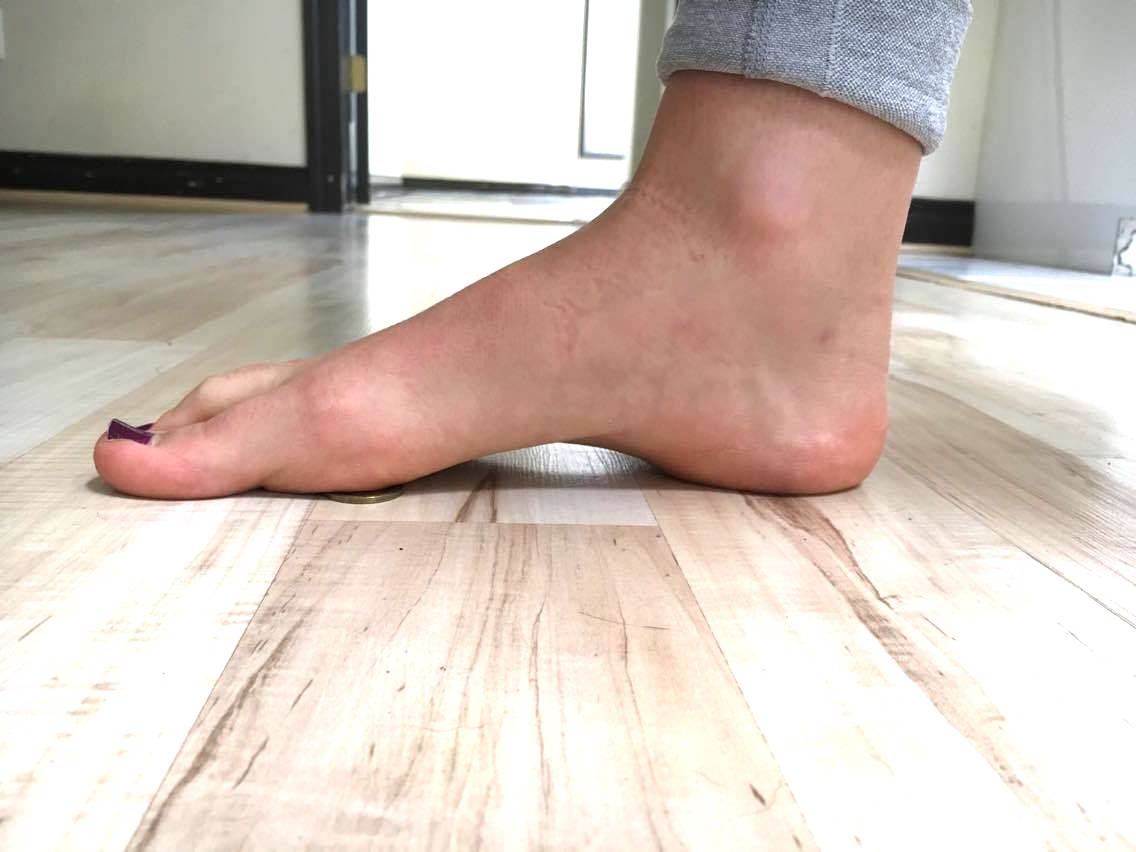
    How to Fix Flat Feet with Exercise
  7. Neurodevelopmental Therapy (NDT): Neurodevelopmental Therapy is a type of physical therapy that is designed to improve motor function and coordination. NDT focuses on improving movement patterns and postures, as well as promoting muscle control and coordination. NDT can help improve overall mobility and function, as well as reduce muscle spasticity.
  8. Functional Electrical Stimulation (FES):Functional Electrical Stimulation is a type of physical therapy that uses electrical stimulation to stimulate muscles and nerves. FES can help improve muscle strength and coordination, as well as reduce muscle spasms. FES can also help improve functional abilities, such as walking and standing.
  9. Orthotics: Orthotics are devices that are designed to improve posture and reduce muscle spasms. Orthotics can include braces, splints, and casts. Orthotics can help improve mobility and function, as well as reduce the risk of contractures and deformities.
  10. Botox Injections: Botox injections are a type of medical treatment that can help reduce muscle spasms and stiffness. Botox injections work by blocking the neurotransmitters that signal the muscles to contract. Botox injections can help improve overall mobility and function, as well as reduce the risk of contractures and deformities.

Wednesday, 10 May 2023

Speech Therapy for Cerebral Palsy Treatment in Kids

Cerebral palsy is a neurological disorder that can affect various aspects of a child’s development, including speech and language skills. Children with cerebral palsy may have difficulty with communication due to challenges with muscle control, coordination, and oral motor function. This can make it challenging for them to express themselves effectively, understand others, and participate in social interactions.

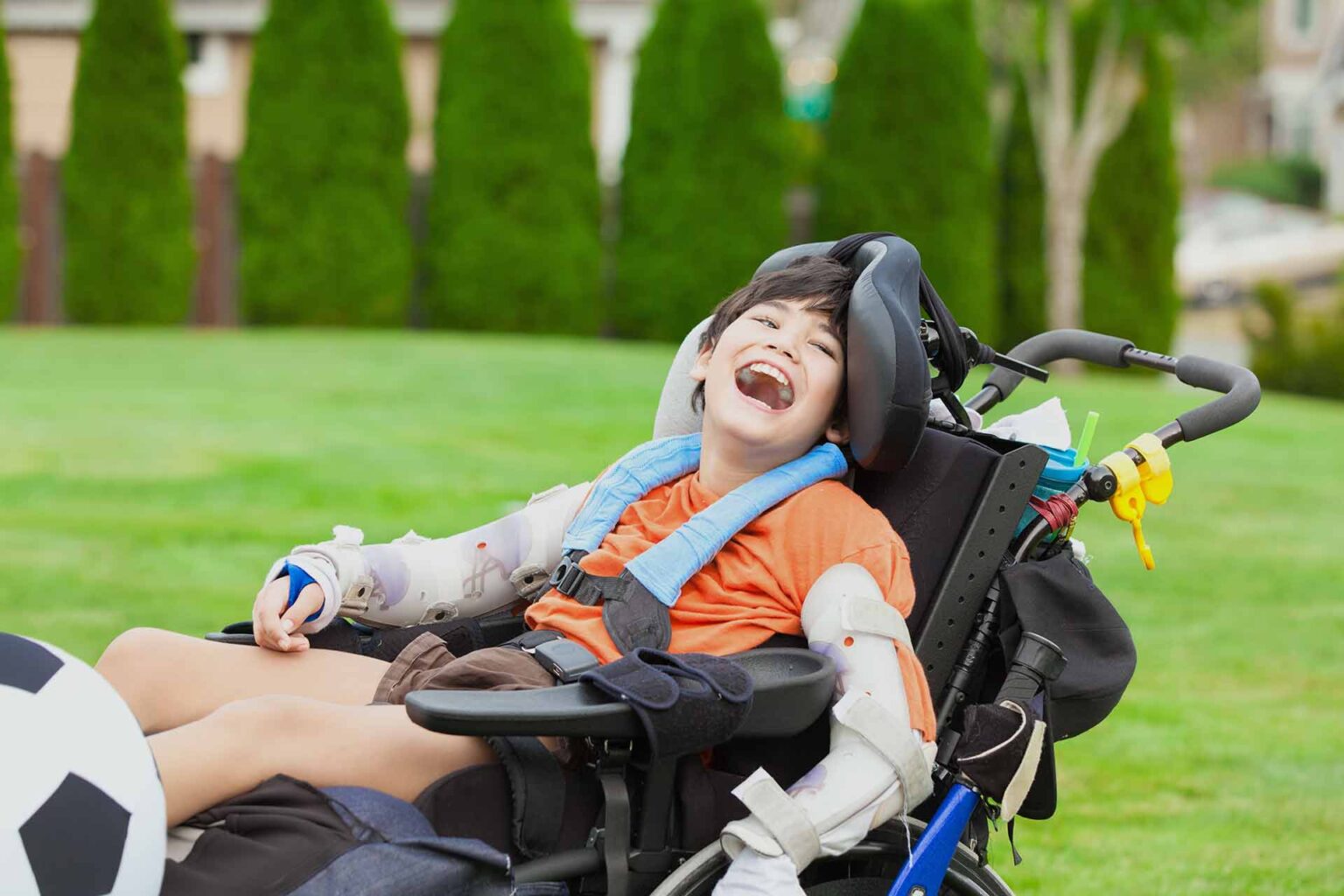
cerebral-palsy-1536x1024


Speech therapy is an essential intervention for children with cerebral palsy who experience communication difficulties. Speech therapists work with children and their families to assess their speech and language skills, identify specific challenges, and develop personalized treatment plans to improve their communication abilities.

The goal of speech therapy for cerebral palsy is to improve the child’s overall ability to communicate and participate in daily activities. This may involve a range of interventions and techniques, including:

  1. Oral motor exercises: Children with cerebral palsy may have difficulty with oral motor function, which can impact their ability to speak clearly. Speech therapists may use exercises to strengthen the muscles in the mouth, lips, and tongue, which can help improve speech clarity.

  2. Augmentative and alternative communication (AAC): For children who struggle with speech or are nonverbal, speech therapists may introduce AAC devices or systems to support communication. These devices can range from low-tech tools like picture boards to high-tech devices like speech-generating tablets.

  3. Language development: Speech therapists may work with children to improve their understanding and use of language. This can include activities to develop vocabulary, sentence structure, and conversational skills.

  4. Articulation therapy: Children with cerebral palsy may have difficulty with articulation, making it hard for them to form words and sounds correctly. Speech therapists may use articulation therapy to help children improve their ability to produce sounds and speak more clearly.

  5. Social communication skills: Children with cerebral palsy may struggle with social interactions due to difficulties with communication. Speech therapists may work with them to improve their ability to understand and respond appropriately to social cues, engage in conversation, and make friends.

Speech therapy for cerebral palsy is typically conducted in individual or small group sessions, and progress is closely monitored to ensure that the child is making meaningful gains in their communication skills. It is also essential for parents and caregivers to be involved in the therapy process, as they can provide valuable support and reinforcement of the techniques and strategies used in therapy.

Overall, speech therapy is a critical component of the care plan for children with cerebral palsy who experience communication challenges. By working with a skilled speech therapist, children with cerebral palsy can improve their ability to communicate effectively, express themselves, and engage in social interactions, enhancing their overall quality of life.

Wednesday, 3 May 2023

Occupational Therapies for Cerebral Palsy Treatment in Kids

Cerebral palsy is a neurological disorder that affects movement, coordination, and posture. It is caused by damage to the developing brain, typically before or during birth, and can lead to a range of physical and developmental challenges. Children with cerebral palsy may experience difficulties with everyday activities such as walking, dressing, and eating, and may also struggle with cognitive and communication skills.

Occupational therapy is an essential component of the multidisciplinary approach to managing cerebral palsy symptoms in children. This therapy focuses on improving a child’s ability to participate in everyday activities and to promote their independence and overall quality of life. The goal of occupational therapy for cerebral palsy is to help children develop the skills and abilities they need to reach their full potential.


The occupational therapist works closely with the child and their family to identify specific goals for therapy, based on the child’s individual needs and challenges. This may involve addressing issues with motor skills, such as improving fine motor coordination or increasing muscle strength and flexibility. It may also involve developing strategies for managing cognitive and communication challenges, such as developing effective communication methods or improving attention and focus.

Occupational therapy for cerebral palsy may involve a range of interventions and techniques, including:

  1. Sensory integration therapy: This therapy is designed to help children with cerebral palsy who have sensory processing issues. Sensory integration therapy involves activities that stimulate the senses and help children better process sensory input. This can include activities such as swinging, bouncing on a therapy ball, or playing with sensory toys.

  2. Adaptive equipment: In some cases, children with cerebral palsy may require adaptive equipment to help them perform everyday activities. This can include items such as special chairs, utensils, or clothing that are designed to support the child’s physical needs.

  3. Handwriting and fine motor skills: Occupational therapists may work with children to improve their handwriting skills and fine motor coordination, which can be challenging for children with cerebral palsy. This may involve activities such as drawing, coloring, or using small manipulatives to build hand strength and dexterity.

  4. Cognitive and communication skills: Occupational therapists may also work with children to improve their cognitive and communication skills. This can involve activities such as memory games, word puzzles, or communication exercises that help children improve their ability to express themselves and understand others.

  5. Home modifications: Occupational therapists may also work with families to modify the home environment to better support the child’s needs. This can involve making changes such as installing grab bars, ramps, or other adaptive features to help the child move around the house safely and independently.

Occupational therapy for cerebral palsy is a critical component of the overall care plan for children with this condition. By working with children and their families to identify specific goals and develop personalized interventions, occupational therapists can help children with cerebral palsy improve their physical, cognitive, and communication skills, and achieve greater independence and quality of life.